
VNG Test in Kankarbagh, Patna
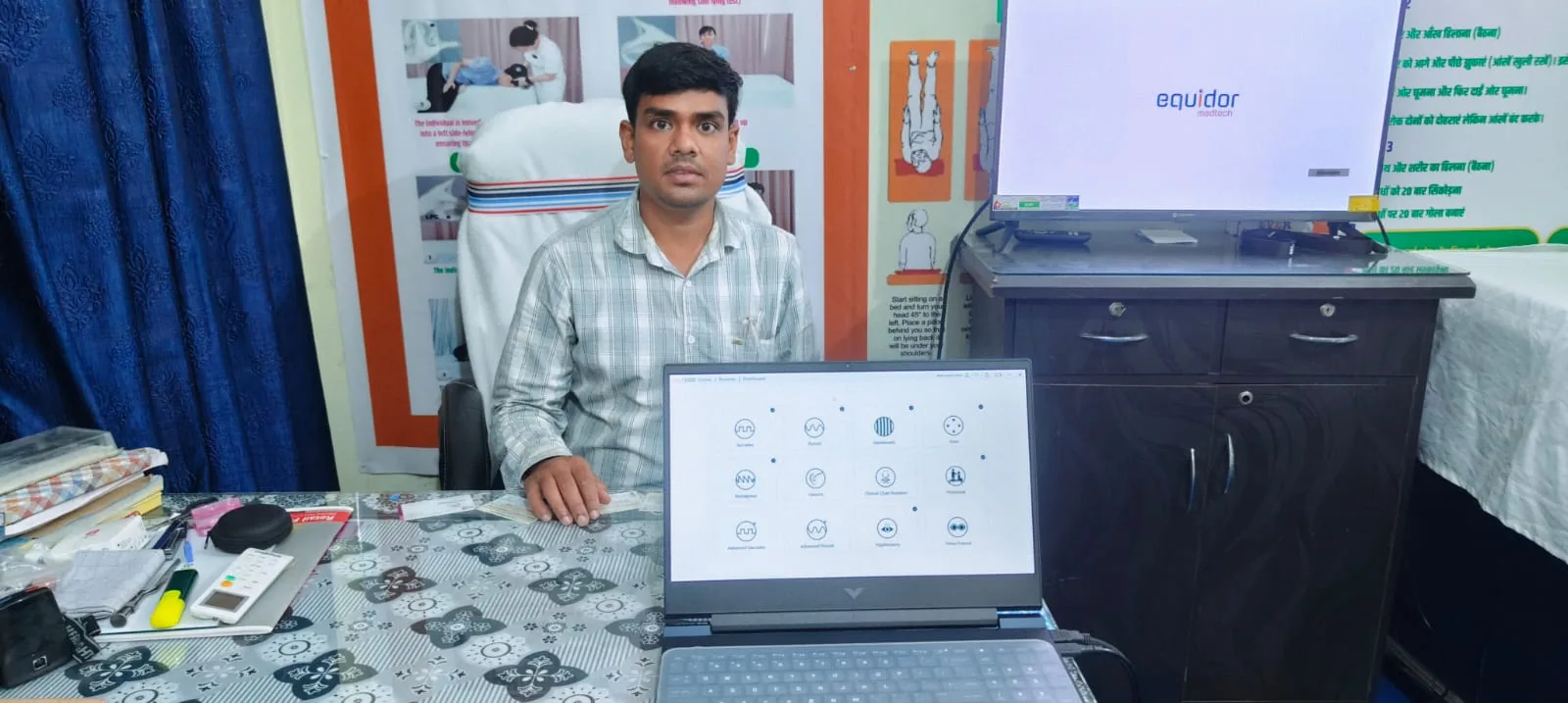
Videonystagmography — gold-standard infrared eye-tracking diagnostic for vertigo, dizziness, and balance disorders. Performed by Dr. Abhijeet Kumar (B.ASLP, M.ASLP, RCI A74216, IGIMS & AIISH trained) at Gauri Shankar Complex, Kankarbagh.
What Is a VNG Test?
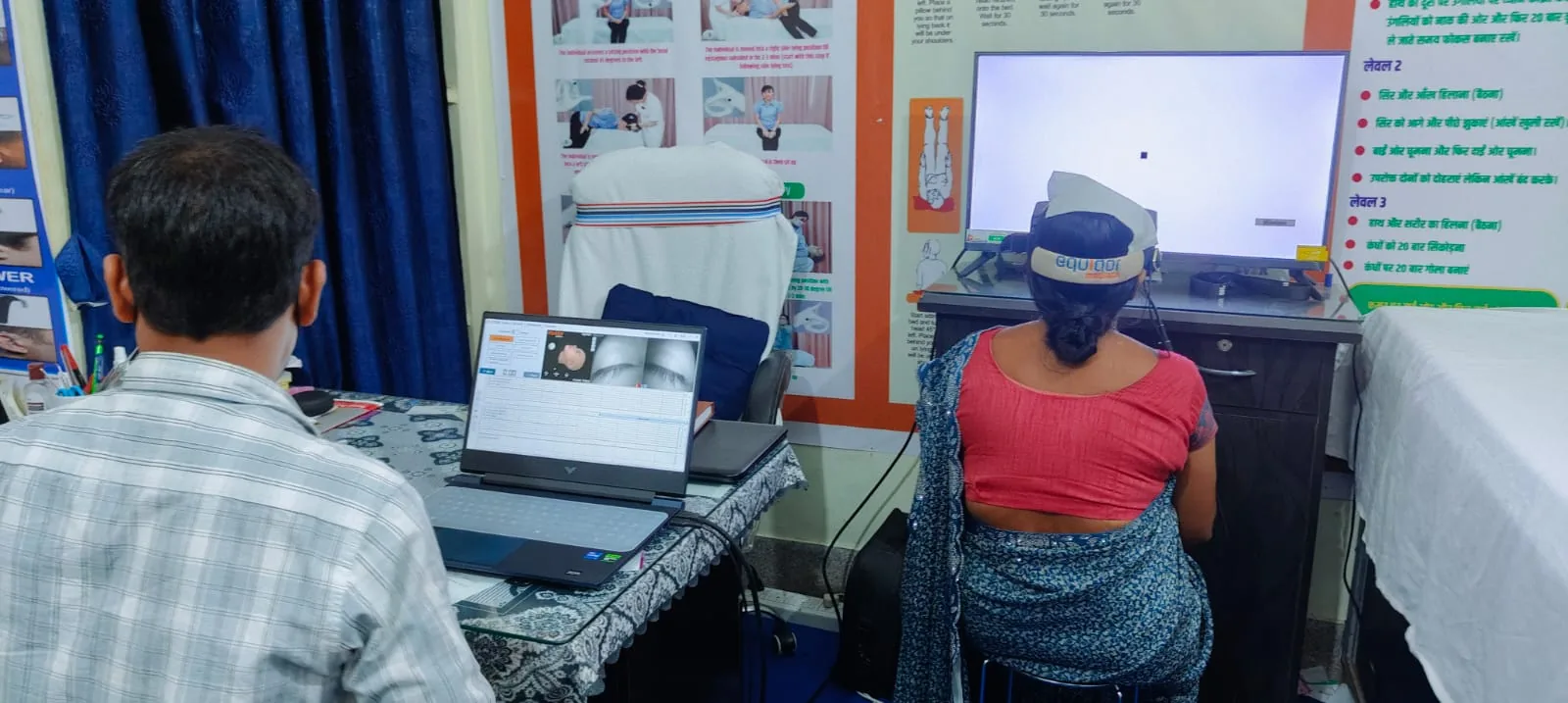
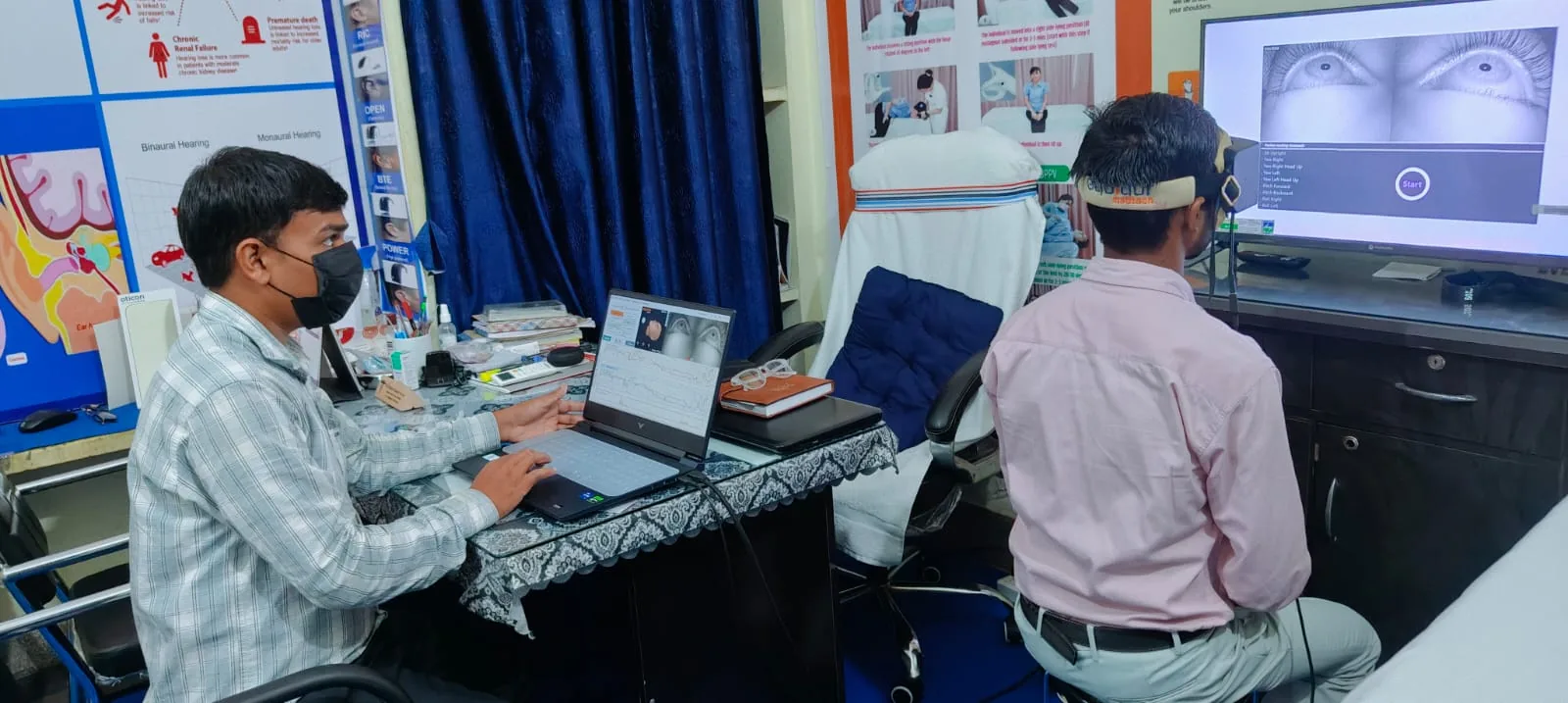
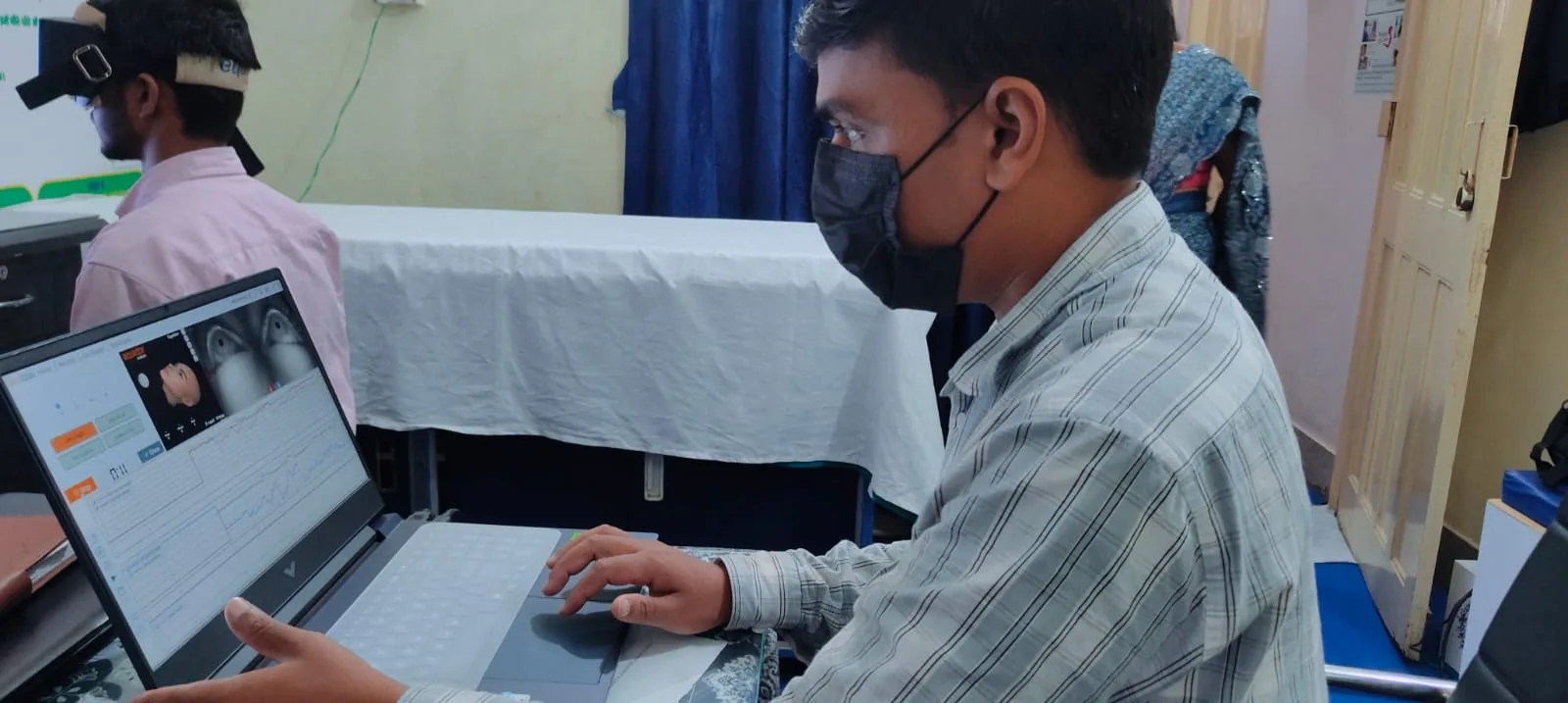
Videonystagmography (VNG) is the internationally recognised gold-standard diagnostic test for evaluating how well your inner ear and brain coordinate balance. At Care of Balance Speech & Hearing, located at Gauri Shankar Complex, behind Domino's Pizza, Kankarbagh, Patna – 800020, this test is performed by Dr. Abhijeet Kumar (B.ASLP, M.ASLP, former audiologist at IGIMS Patna and AIISH Mysuru, RCI Reg. A74216).
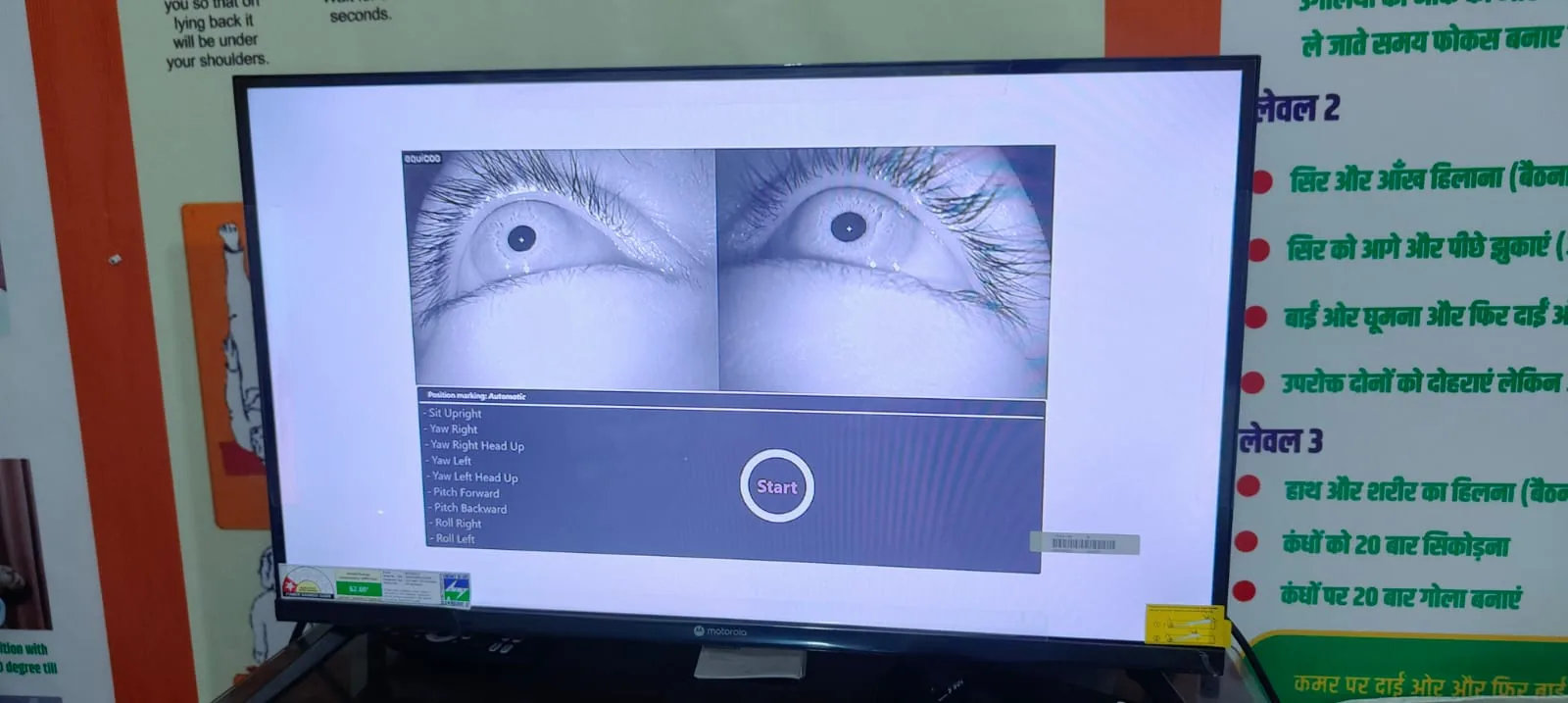
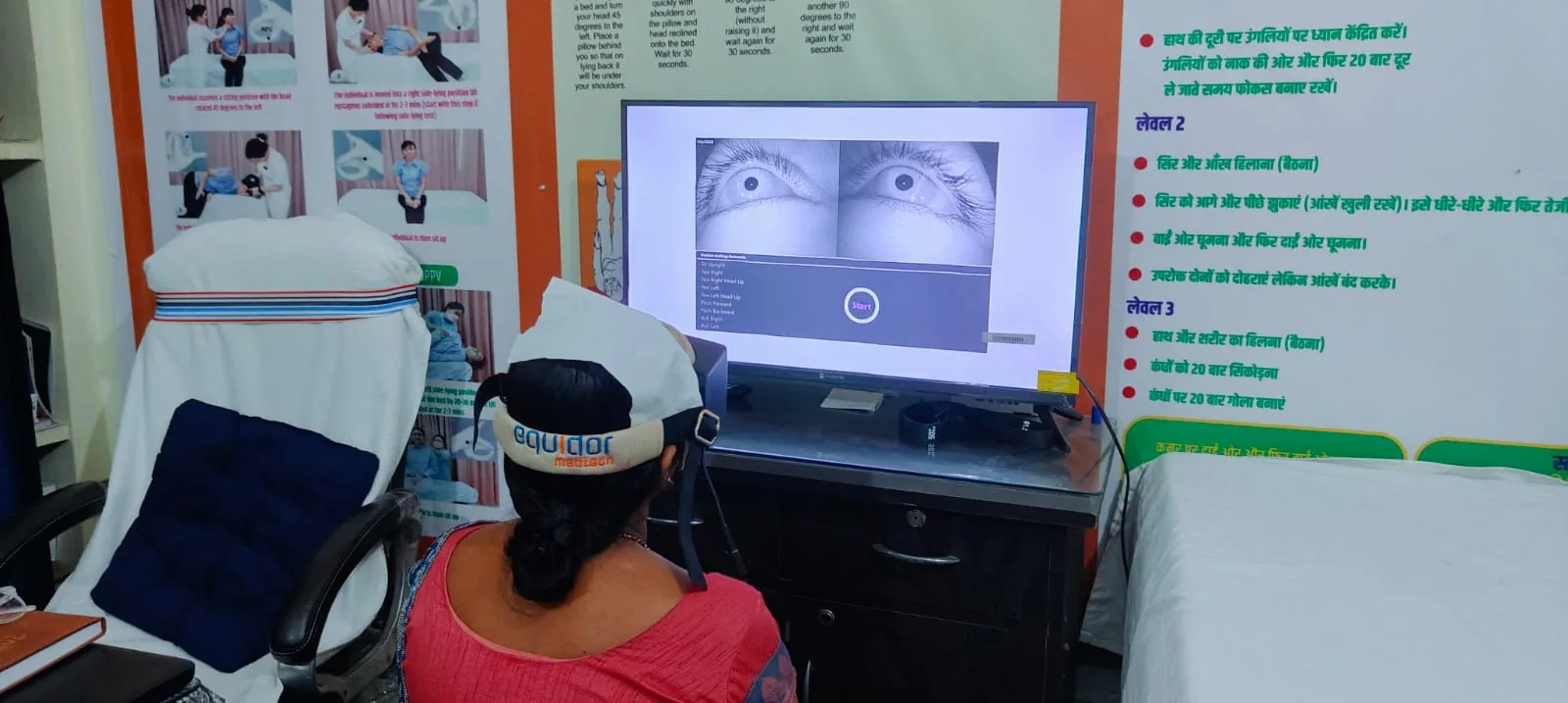
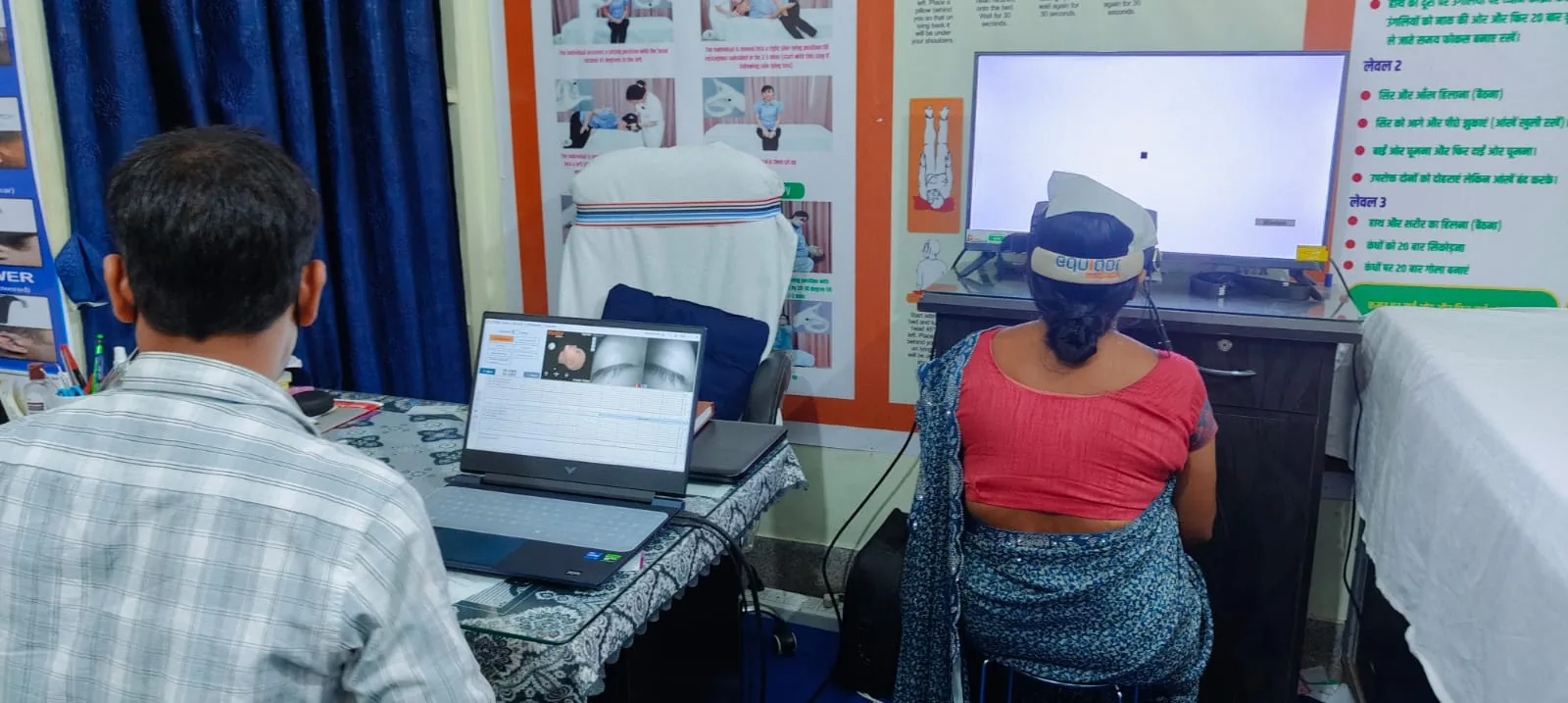
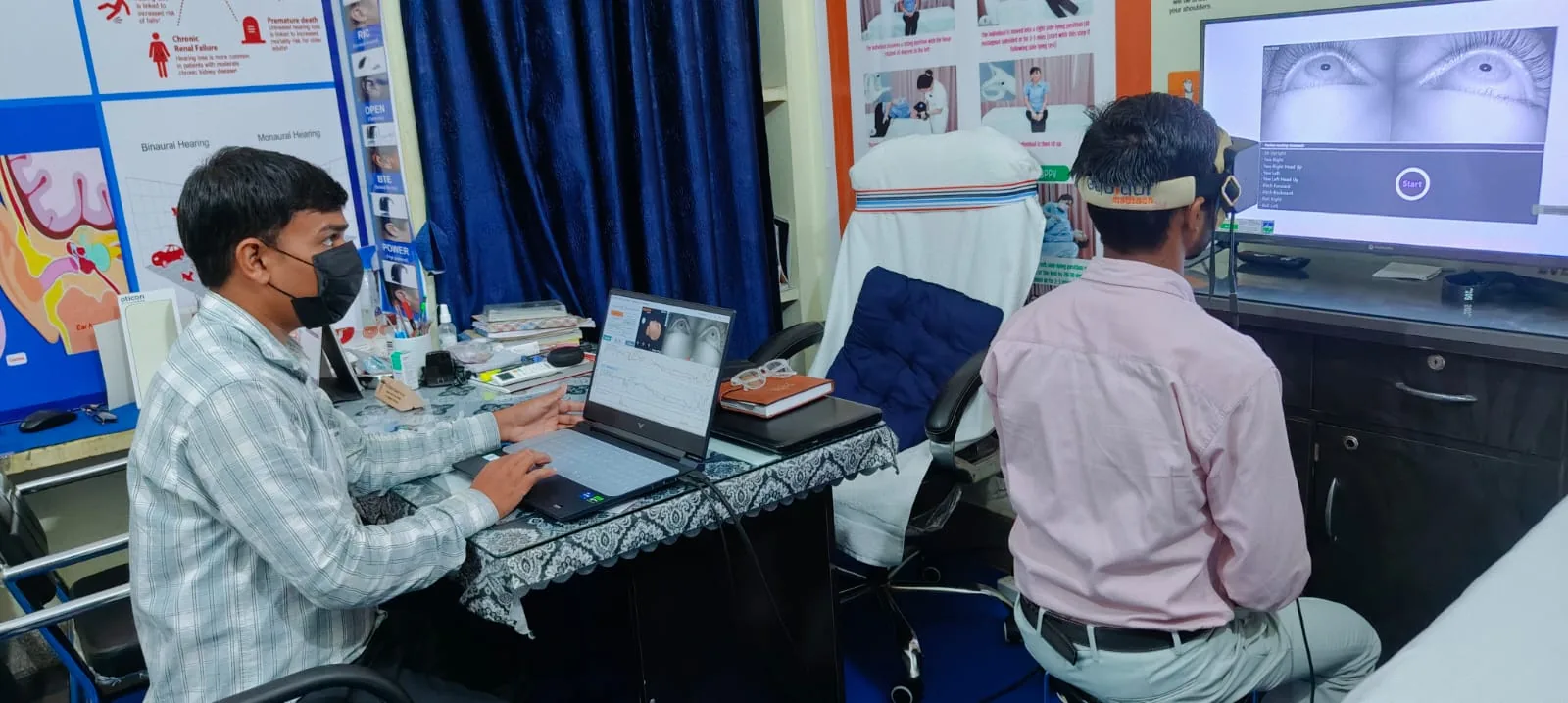
The VNG uses lightweight infrared goggles fitted with high-resolution cameras to precisely track involuntary eye movements called nystagmus. These eye movements are directly linked to your vestibular (balance) system. By analysing the pattern, speed, and direction of nystagmus during a series of controlled tasks, the audiologist can determine whether your dizziness originates from the inner ear, the vestibular nerve, or a central (brain-related) cause.
The test is completely non-invasive, painless, and takes approximately 1.5 to 2 hours. It does not require any injections or sedation. Your report is prepared and explained on the same day, in Hindi or English.
⚠ When to Seek Urgent Medical Help
If you experience sudden severe vertigo with slurred speech, facial numbness, double vision, difficulty walking, or severe headache — go to the nearest emergency room immediately. These may be signs of a stroke, not an inner-ear problem.
When Should You Get a VNG Test?
Many patients delay testing, hoping dizziness will resolve on its own. We recommend a VNG evaluation if you have experienced two or more of the following symptoms persistently:
Room Spinning
High PriorityFeeling that you or your surroundings are spinning — even when perfectly still. Classic sign of vestibular dysfunction.
Dizziness on Lying Down
BPPV MarkerHead spins when you lie down, sit up, or roll over in bed — hallmark symptom of Benign Paroxysmal Positional Vertigo.
Loss of Balance
Fall RiskFeeling unsteady while walking, drifting to one side, or constant fear of falling — especially dangerous in elderly patients.
Tinnitus + Dizziness
Inner EarRinging or buzzing in the ears combined with episodes of dizziness — may indicate labyrinthitis or Meniere's Disease.
Nausea with Vertigo
Acute EpisodeDizziness accompanied by nausea or vomiting — common during acute vestibular episodes and requires proper evaluation.
Recurring Episodes
ChronicRepeated dizziness affecting daily life, work, sleep, and confidence — should not be ignored beyond 2 weeks.
Conditions a VNG Test Can Identify
VNG results help your specialist accurately diagnose the following vestibular and balance conditions for effective vertigo treatment in Patna:
- BPPV (Benign Paroxysmal Positional Vertigo): Displaced calcium crystals in the inner ear causing position-triggered spinning. Most common vertigo cause — highly treatable with the Epley Maneuver.
- Vestibular Neuritis: Inflammation of the vestibular nerve causing sudden, severe vertigo lasting days. VNG reveals unilateral caloric weakness.
- Labyrinthitis: Inner ear infection affecting both hearing and balance. VNG combined with audiometry confirms the diagnosis.
- Meniere's Disease: Recurrent vertigo attacks with hearing loss, tinnitus, and ear fullness. VNG helps track vestibular function over time.
- Central Vestibular Disorders: Brain-related dizziness from stroke, tumour, or MS. VNG detects abnormal oculomotor patterns that signal a neurological referral.
- PPPD (Persistent Postural-Perceptual Dizziness): Chronic dizziness without clear inner-ear findings. VNG helps rule out peripheral causes, guiding VRT treatment.
- Bilateral Vestibulopathy: Reduced function in both inner ears. Caloric testing during VNG quantifies the degree of bilateral weakness.
- Vestibular Migraine: Migraine-related dizziness that may not show clear VNG abnormalities but requires differential diagnosis with other vestibular conditions.
The Four VNG Sub-Tests
A complete VNG evaluation consists of four distinct assessments, each targeting a different aspect of your vestibular system:
Oculomotor
Tracks smooth eye movements as you follow a moving target on screen. Evaluates the central nervous system.
Positional
Records eye movements while you are placed in specific head and body positions. Detects BPPV and position-triggered vertigo.
Dix-Hallpike
The specialist moves your head through specific positions to provoke nystagmus — the gold-standard manoeuvre for BPPV.
Caloric Test
Warm and cool air gently delivered into each ear canal. Measures each inner ear's response independently.
Peripheral vs. Central Vertigo: Why VNG Matters
One of the most critical roles of VNG is distinguishing between peripheral (inner ear) and central (brain) causes of dizziness. The treatment approach is fundamentally different for each:
Peripheral Vertigo (Inner Ear)
Central Vertigo (Brain-Related)
Your Visit: Step-by-Step VNG Procedure
Here is exactly what happens during your VNG test at our Kankarbagh clinic — no surprises:
Check-in & Case History
You arrive at the clinic. The audiologist reviews your symptoms, medication history, and any previous test reports.
~15 minutesGoggles Fitting & Calibration
Lightweight infrared VNG goggles are placed over your eyes. The cameras are calibrated to accurately track your eye movements in complete darkness.
~5 minutesOculomotor Evaluation
You follow a moving dot on a screen. The system records smooth pursuit, saccades, and optokinetic responses to check central function.
~15 minutesPositional & Dix-Hallpike Tests
The specialist guides you through various head and body positions, including the Dix-Hallpike manoeuvre, while the goggles record eye movements for BPPV detection.
~20 minutesCaloric Testing
Warm and cool air is gently introduced into each ear. This tests each inner ear's response independently. You may feel brief, mild dizziness — it passes quickly.
~30 minutesRest & Recovery
After the caloric sub-test, you rest comfortably for a few minutes until any residual dizziness settles completely.
~10 minutesSame-Day Report & Counselling
Dr. Abhijeet Kumar reviews the results with you in simple language (Hindi or English), explains the diagnosis, and discusses the recommended treatment plan.
Same-day reportHow to Prepare for Your VNG Test
Follow these guidelines for the most accurate results:
✓ Do
✗ Avoid
VNG Test & Vertigo Evaluation Pricing
Clear, upfront pricing — no hidden charges. Counselling session is included with every test. Payment accepted via cash, UPI, and bank transfer.
VNG Test
- Oculomotor evaluation
- Positional & Dix-Hallpike
- Caloric test (both ears)
- Same-day report & counselling
Vertigo Evaluation
- Complete VNG (all 4 sub-tests)
- FHIT (Functional Head Impulse)
- Vertigo profiling & diagnosis
- Treatment plan & counselling
Evaluation + Rehab Combo
- Full vertigo evaluation (₹7,500 value)
- Vestibular rehabilitation session
- Home exercise programme
- Follow-up counselling
Additional: FHIT Test ₹2,500 (~1 hr) · VRT Session ₹2,500 (~1 hr)
Understanding Your VNG Report
Dr. Abhijeet Kumar will explain every detail in Hindi or English. Here is a quick reference guide to common VNG findings:
| Finding | Status | What It Means | Next Steps |
|---|---|---|---|
| Symmetric caloric responses | Normal | Both inner ears responding equally — no peripheral weakness detected. | Reassurance; explore other causes if symptoms persist. |
| Unilateral weakness (>25%) | Attention | One inner ear responding significantly less than the other. | May indicate vestibular neuritis or labyrinthitis. Treatment plan discussed same day. |
| Direction-changing nystagmus | Referral | Eye movements change direction with gaze — suggests possible central cause. | Neurological referral recommended; MRI may be advised. |
| Positional nystagmus (fatiguing) | Attention | Nystagmus triggered by head position that fades after a few seconds. | Classic BPPV pattern. Epley Maneuver often resolves it in 1–3 sessions. |
| Abnormal smooth pursuit | Attention | Eyes cannot smoothly follow a moving target — may indicate central involvement. | Further evaluation recommended; medication review. |
VNG vs. Other Vestibular Tests
How does VNG compare with other diagnostic options?
| Feature | VNG | ENG | MRI | PTA |
|---|---|---|---|---|
| Evaluates | Inner ear & brain balance function | Inner ear (older method) | Brain structures & lesions | Hearing sensitivity |
| Method | Infrared camera goggles | Skin electrodes near eyes | Magnetic resonance imaging | Headphones & tone signals |
| Detects BPPV | ||||
| Detects central causes | ||||
| Painless | ||||
| Duration | ~2 hours | ~1.5 hours | 30–60 min | ~30 min |
| Available here | Referral provided |
Treatment Options Based on VNG Results
Depending on your VNG findings, Dr. Abhijeet Kumar may recommend one or more of these treatment approaches:
- Epley Maneuver (for BPPV): Gold-standard repositioning technique. Most patients experience significant relief in 1–3 sessions. Performed at our clinic without surgery or medication.
- Vestibular Rehabilitation Therapy (VRT): Customised exercise programme for chronic dizziness, imbalance, and PPPD — includes a home exercise plan. VRT sessions available at ₹2,500 per session.
- Hearing Care: If hearing loss co-exists with vestibular dysfunction, audiometry (PTA, tympanometry, BERA, OAE) and hearing aid fitting are available at the same centre.
- Specialist Referral: If central causes are suspected, a neurology or ENT referral is provided along with your complete VNG documentation and clinical notes.
Frequently Asked Questions
What is a VNG test and why is it done?
VNG test की कीमत Patna में कितनी है?
Is the VNG test painful?
VNG test कितने समय का होता है?
Do I need to stop medications before VNG?
VNG test से पहले क्या तैयारी करनी चाहिए?
Can I drive home after the VNG test?
What conditions can a VNG test diagnose?
क्या बुजुर्गों और बच्चों के लिए VNG test सुरक्षित है?
VNG test का रिपोर्ट कब मिलता है?
What if my VNG report is normal but I still feel dizzy?
Clinic का समय और address क्या है?
Contact Our Clinic
Have questions about the VNG test? Our team is here to help you schedule and prepare for your vestibular evaluation.
(Sunday Closed)
Book Your VNG Test
Fill out the form below and we will reach out via call or WhatsApp to confirm your appointment.
How to Reach Our Kankarbagh Clinic
Care of Balance Speech & Hearing is centrally located at Gauri Shankar Complex, behind Domino's Pizza, P.C Colony, Kankarbagh, Patna – 800020.
Walking Distance
- Domino's Pizza (landmark) Right in front
- P.C Colony Main Road 1–2 min
Drive / Auto
- Rajendra Nagar 5 min drive
- Boring Road Chauraha 8–10 min
- Kumhrar Bus Stop 3 min walk
Across Patna
- Patna Junction Railway Station ~20 min
- Patna Airport (Jay Prakash Narayan) ~25 min
- Ashok Rajpath / Gandhi Maidan ~15 min
Medical Disclaimer: The information on this page is for educational purposes only and does not replace professional medical advice. Always consult a qualified healthcare provider for diagnosis and treatment. Individual results may vary. No specific outcomes are guaranteed.
References: MedlinePlus — VNG · Cleveland Clinic — VNG · Vestibular Disorders Association